Editor’s Pick



A maintenance emergency is anything that threatens a resident’s health or safety, or risks serious damage to the property if it waits until morning: gas leaks, major flooding, no heat or air conditioning in dangerous weather, and exposed live wiring top the list. Treat every one of these as a same-day fix, with a response inside 24 hours as the outside limit most property managers work to. A dripping faucet or a slow drain is not an emergency, no matter how urgent it feels to the resident calling about it. Below is the full qualifying list, what the law expects of your response time, and how to run an after-hours line without answering the phone yourself every night.
Emergency response is one piece of a bigger system. For the budget, the routine tasks, and what the law makes you fix day to day, start with our rental property maintenance guide.
Which Situations Actually Qualify as a Rental Maintenance Emergency?
A true emergency threatens someone’s health or safety, or the structural integrity of the home, if it isn’t handled right away. The situations that consistently meet that bar:
-
Gas leaks. Any smell of gas is an evacuate-first, call-second situation. Treat every report as real until a professional confirms otherwise.
-
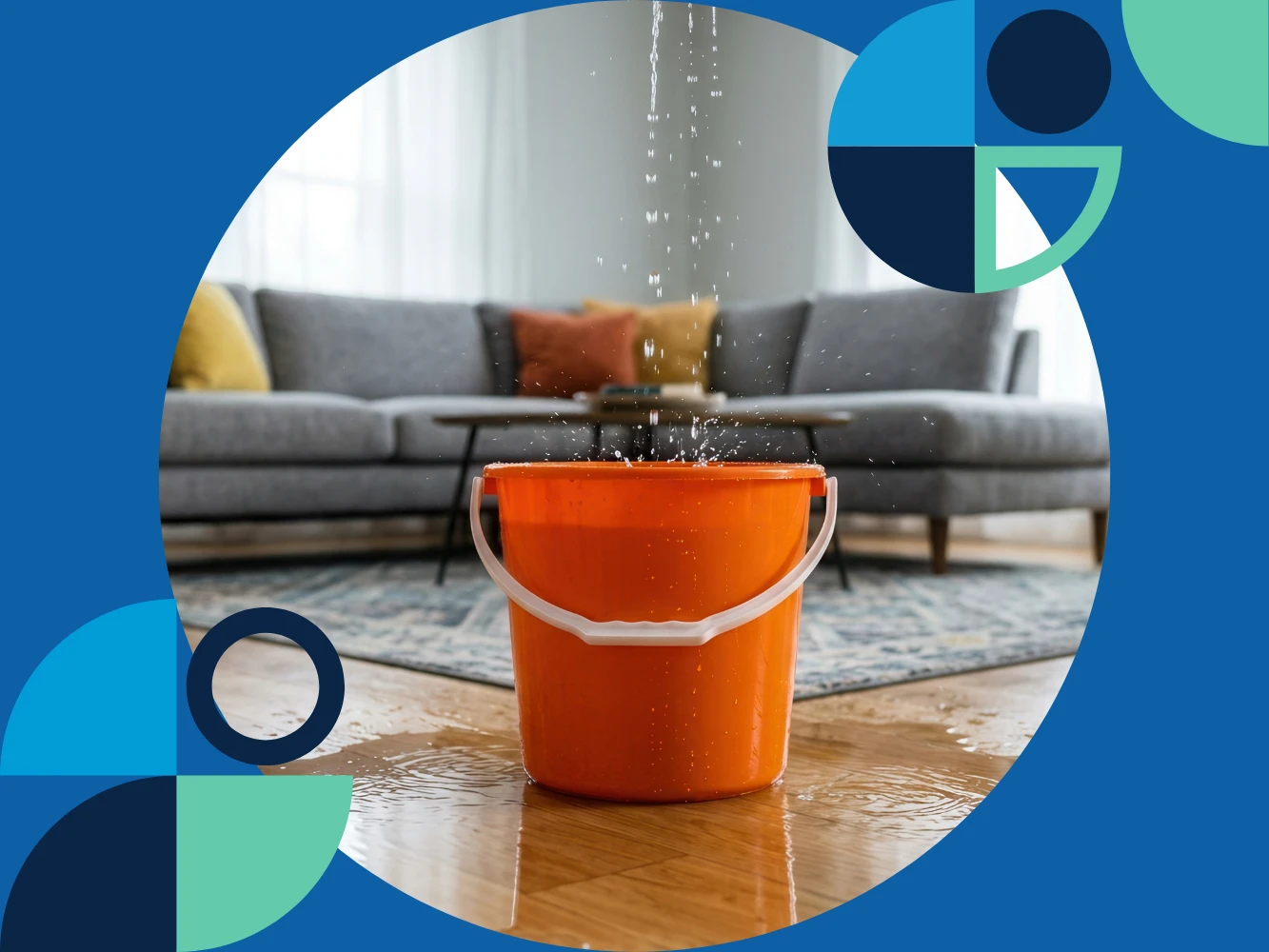
Major water leaks or flooding. A burst pipe or a supply line that won’t shut off risks structural damage within hours, not days.
-
No heat or air conditioning in extreme weather. A furnace failure in freezing temperatures or a dead AC unit during a serious heat wave crosses from inconvenience to hazard.
-
Exposed wiring or electrical failure. Sparking outlets, exposed wires, or an outage that knocks out medical equipment or a safety system need same-day attention.
-
Sewage backups. Raw sewage inside the home makes it unsafe to occupy and is a health hazard on its own.
-
Broken exterior doors or windows. Anything that leaves the unit unsecured after a break-in or storm damage counts, because the security risk compounds with every hour it sits open.
What doesn’t qualify: a dripping faucet, a running toilet, a clogged drain that still empties, low water pressure, a burned-out light bulb, or a loose cabinet door. These matter, and residents should still report them, but they belong in your standard work-order queue, not your emergency line.
How Fast Do You Have to Respond to a Maintenance Emergency?
Plan to respond within 24 hours of the report, and move the same day whenever the hazard is active, such as a gas smell or a leak you can hear through the wall. Most state landlord-tenant law doesn’t name a specific hour count. Instead, it uses the phrase “reasonable time” and lets courts weigh what that means based on how serious the hazard is. A handful of states codify an exact window instead: Washington’s landlord-tenant act requires the landlord to start repairs within 24 hours of written notice when a unit loses heat, hot or cold water, or electricity, or has another condition that’s imminently hazardous to life (RCW 59.18.070).
Every state holds landlords to an implied warranty of habitability, meaning the home has to stay safe and livable no matter what the lease says. Ignore a genuine emergency long enough, and the remedies escalate fast. Depending on the state, a resident may withhold rent, arrange the repair themselves and deduct the cost, break the lease without penalty, or sue for damages. Local code enforcement can add fines on top of any of that. Because the specifics shift by location, check the rules for your state in our landlord-tenant laws by state hub before you promise a number in writing.
If a resident is hurt because you sat on a known hazard, you can be held liable for the injury. That single fact is why “we’ll get to it this week” is never the right answer for anything on the qualifying list above.
What Should You Do the Moment an Emergency Call Comes In?
Get the safety-critical facts first, then dispatch. The order matters more than the speed.
-
Ask the safety questions first. Is anyone in danger right now? Do they smell gas? Is water actively rising? Are there sparks, smoke, or a burning smell? The answer decides everything that follows.
-
Give immediate safety instructions if needed. Tell them to evacuate for a gas smell, shut off the water main for uncontrolled flooding if they know where it is, or cut power at the breaker for an active electrical hazard, only if they can do it safely.
-
Dispatch the right vendor immediately. Call your on-call plumber, electrician, or HVAC technician. Don’t wait until morning to make this call, even if the resident sounds calm on the phone.
-
Confirm and communicate a timeframe. Tell the resident when help is arriving. A resident who hears “someone’s on the way, expect them within the hour” stops calling every ten minutes.
-
Log everything as it happens. Note the time of the call, what was reported, who you dispatched, and when they arrived. This record protects you if the situation ever escalates into a dispute.
When Should You Call 911 or the Utility Company Instead of a Vendor?
Anytime there’s an active danger to life, meaning a gas smell, fire, smoke, or a downed power line, the first call goes to 911 or the utility company, not your contractor.
A suspected gas leak goes to the gas utility’s emergency line and, if there’s any sign of fire or the smell is strong, to 911, before anyone calls a plumber. The same logic applies to a downed power line or an active electrical fire risk: call the utility or the fire department, evacuate, and bring in your electrician only once the property is confirmed safe. Put this order in your resident welcome packet and in your own on-call script. The two minutes it saves in a real gas leak matters more than anything else in this guide.
How Do You Set Up an After-Hours Emergency Line?
Give residents one number that gets answered or returned within minutes, day or night, and build the triage and dispatch process around it before you ever need it.
-
A dedicated emergency contact. A separate number, a portal alert, or an answering service, so a resident never has to guess whether a 2 a.m. text counts as bothering you.
-
A written triage script. A short list of questions, the same ones above, that anyone answering the phone, whether that’s you, a property manager, or an answering service, can run through consistently.
-
A vendor bench built in advance. A plumber, electrician, HVAC technician, and general contractor who already know they might get a midnight call and have agreed to it. Waiting to find one during the emergency itself is how a fixable leak turns into a flooded unit.
-
A documentation habit. Every after-hours call gets the same record: time, report, dispatch, resolution. Pair it with the records from your routine property inspections so you have a full paper trail if anything is ever disputed.
If you self-manage more than a couple of properties, an answering service or a maintenance platform with after-hours routing is worth the monthly cost. The alternative is your personal phone ringing indefinitely at 3 a.m.
How Can You Cut Down on After-Hours Emergency Calls?
Most emergency calls are preventable if you catch problems on a regular inspection before they turn into a midnight leak or a dead furnace during a cold snap.
Twice-yearly property inspections catch the small leaks, the aging water heater, and the furnace that’s about to fail before any of them turns into a call at 2 a.m. Servicing HVAC systems every spring and fall, checking supply lines under sinks, and testing sump pumps before storm season all shrink the odds of a true emergency happening at all.
The other lever is resident education: spell out, in the lease and the welcome packet, exactly what counts as an emergency and what doesn’t, and give residents a clear non-emergency channel for everything else. Pointing residents to our emergency preparedness tips for renters covers their side of the same coin. A resident who knows a slow drain goes through the portal, not the emergency line, calls you less at midnight and trusts you more the one time it actually matters.
Emergency response is just one system inside the bigger job of running a property well. For the full picture, from budgeting maintenance to knowing which repairs are legally yours, see our rental property maintenance guide, or start from the top with how to manage a rental property.
FAQ
Is a broken air conditioner an emergency?
Usually, yes, if the heat is dangerous. Most habitability standards treat a dead AC unit during a serious heat wave the same way they treat lost heat in freezing weather. In mild weather, a broken AC is a priority repair, not a same-day emergency.
Can a resident make an emergency repair themselves and bill you for it?
In some states, yes, if you’re unreachable and the hazard is genuine. This remedy is usually called repair-and-deduct, and it comes with strict rules on notice and documentation that vary by state, so check your landlord-tenant laws by state before you assume it doesn’t apply to your property.
What happens if you don’t respond to a real emergency in time?
Depending on the state, a resident can withhold rent, arrange the repair and deduct the cost, terminate the lease, or sue, and you can be liable if anyone gets hurt in the meantime. An ignored, documented emergency is one of the strongest cases a resident can bring to housing court.
Do you need a 24-hour emergency line if you self-manage one property?
Yes, in some form. It doesn’t have to be an answering service. A phone you actually answer or return within minutes, paired with a pre-vetted plumber and electrician, meets the bar for a single property.
What if an emergency happens and your usual vendor doesn’t answer?
Have a backup on the list before you need one. Keep at least two contacts per trade, and if both are unreachable during an active hazard like a gas leak or a fire risk, call 911 or the utility company first and sort out the repair once the property is safe.
This article is general information, not legal advice. Laws change, and every situation is different. For guidance on a specific situation, talk to a licensed attorney in your state.