Editor’s Pick



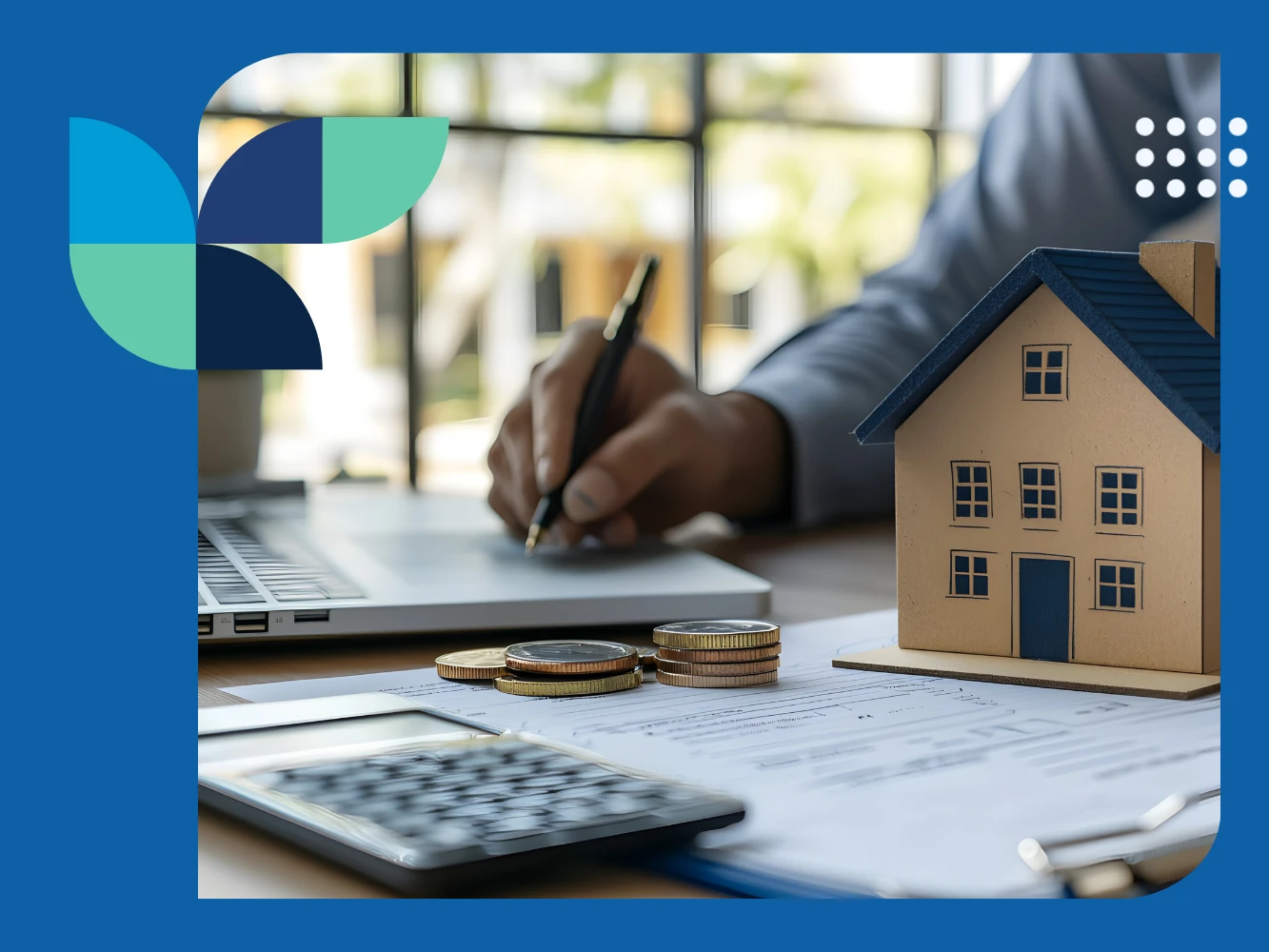



Investing in rental property for beginners comes down to six decisions, made in order:
-
Confirm it fits your goals. Rental property works if you want income and appreciation together and can tolerate the workload, or the cost of hiring it out.
-
Set up your business first. Choose DIY or professional management, pick an ownership structure, and settle on a lease term before you shop for a property.
-
Pick a property type. A single-family home is the standard first buy.
-
Choose a market where rent reliably covers your costs rather than the city you happen to live in.
-
Line up financing. Plan on 20 to 25 percent down and stricter terms than a primary residence.
-
Buy with real due diligence, place a resident, and run the property. Then scale one property at a time.
Get the first five right and the sixth becomes a repeatable formula. The sections below walk through each step, with the numbers and the deeper guides for when you’re ready to go further.
Is Rental Property the Right Investment for You?
Rental property is the right investment if you want income and appreciation together, and you’re willing to trade some of the passivity of the stock market for the work of being a landlord. A stock index fund can match or beat a rental’s long-term return with none of the maintenance calls. A rental property adds cash flow, leverage, and tax advantages that stocks don’t offer, but only if you handle, or pay someone else to handle, the responsibilities that come with owning real property occupied by another person. See the full comparison of rental property versus stocks before you commit either way.
Those responsibilities are real, not theoretical. As a landlord, you’re on the hook for maintenance and repairs on your schedule or the resident’s emergency, for legal compliance with your state’s landlord-tenant law, for screening every applicant, for collecting rent and keeping the financial records you’ll need at tax time, and for resolving disputes when they don’t settle themselves.
None of this requires you to do it all yourself. A property manager can absorb most of that list for a fee, which is why the day-to-day realities of being a landlord are worth reading before you buy, not after.
How Should You Set Up Your Rental Business Before You Buy?
Decide three things before you start touring properties: whether you’ll manage the rental yourself or hire it out, what ownership structure you’ll hold the property under, and how long a lease term you want to offer. Each choice narrows the properties, markets, and financing that make sense for you, so settle them first.
DIY versus professional management is the biggest fork. Managing it yourself keeps the management fee in your pocket, but it demands your time, your local availability, and a working knowledge of landlord-tenant law. Hiring a property manager costs a percentage of rent, typically in the 8 to 12 percent range, and in exchange you get the legal expertise, resident screening, and maintenance coordination already built into the job.
Ownership structure affects your liability, taxes, and financing options. Many first-time investors hold the property in their own name and add an LLC once the portfolio grows. If you already own the home you’re planning to rent out, putting it in an LLC comes with its own tradeoffs, and if there’s still a mortgage on it, your lender needs to know before you rent it out.
Lease term shapes your income and your workload. Short-term rentals can earn more per month but bring seasonal vacancy and higher turnover costs. Long-term leases trade some income for stability and fewer resident changes. Our full comparison of short-term versus long-term rental investing weighs the two models on income, effort, taxes, and risk. Most beginners start with a standard year-long lease and adjust once they understand their market.
What Type of Rental Property Should a Beginner Buy?
A single-family home is the standard starting point for a beginner. It’s the easiest to manage, it draws the deepest resident demand, and it finances the same way as a typical home purchase. From there, the options get more complex and more capital-intensive.
-
Single-family homes. Easiest to manage and easiest to finance, with steady demand in most markets. One resident, one lease, one set of systems to maintain.
-
Small multifamily, 2 to 4 units. More income from a single purchase, since you collect multiple rents, but more maintenance and more residents to manage. See the full guide to small multifamily investing before you step up from single-family.
-
Commercial properties. Longer leases and larger potential returns, offset by a bigger down payment and a steeper learning curve around commercial financing and leases.
-
Vacation rentals. Strong income during peak season, offset by frequent turnover, hands-on guest management, and local short-term rental rules that vary block by block.
Start with the type that matches your available time and capital, not the one with the highest theoretical return. The full breakdown of rental property types covers the financing and management differences for each.
Where Should You Buy, and How Do You Spot a Good Deal?
Buy where rent reliably covers your costs and demand stays steady, not necessarily where you already live. Your hometown might be the right market, or it might price you out of positive cash flow entirely. Buying out of state is common among beginners once they run the numbers on their local market and don’t like what they see.
Once you’ve picked a market, look for these signals in any property you’re considering:
-
Location, including proximity to schools, transit, and shopping, plus a low crime rate
-
Rental demand, which keeps vacancy low and rent collection steady
-
Property condition, since a well-kept property costs less upfront and attracts stronger applicants
-
Affordability, a purchase price that fits your budget while still returning a reasonable return on investment
-
Appreciation potential, driven by real local economic growth rather than a hunch
-
Competitive rent, meaning local rates that cover your expenses and still turn a profit
-
Low property taxes, which flow straight to your net income every month
-
Profitability metrics, like cap rate and cash-on-cash return, that tell you quickly whether a listing is worth pursuing
Florida and New Jersey are both popular beginner markets, for different reasons: see a worked example for Florida and a landlord’s playbook for New Jersey. Once you know what you’re looking for, our guide to finding investment properties covers where to actually source deals and how to run these indicators against a real listing.
How Do You Finance an Investment Property?
Plan on putting down 20 to 25 percent and meeting stricter approval terms than you would for a primary residence. Investment property financing costs more and demands more paperwork, and the two main paths are worth comparing before you shop for a property.
Conventional loans typically require around 20 percent down for an investment property, with interest rates a bit higher than a primary-residence mortgage. Investment-property loans are built specifically for landlords and often require 25 percent or more down, along with a higher credit score and a lower debt-to-income ratio, but they can include features like interest-only periods that fit a rental’s cash flow better than a standard mortgage.
Either way, budget beyond the down payment for closing costs, property taxes, insurance, and a cash reserve for the repairs that come with taking on a new property. Get pre-approved before you start touring listings. It tells you your real budget, and it shows sellers you’re a serious buyer once you make an offer.
If a 20 to 25 percent down payment isn’t in reach yet, there are financing paths for buying with little or no money down, though they trade flexibility or cost for the lower upfront cash. The complete guide to financing an investment property walks through every loan type and how lenders evaluate a rental application.
How Do You Actually Buy the Property?
Buying an investment property follows roughly the same sequence every time, whether it’s your first purchase or your fifth:
-
Get pre-approved, with your tax returns and pay stubs ready to go, so you know your real budget.
-
Find an agent who works with investors and understands rental math over resale value.
-
Make an offer with contingencies, so you can walk away if the inspection turns up major problems or financing falls through.
-
Get the property inspected by a professional, and negotiate repairs or price based on what they find.
-
Check the rental market around the property: current rents, vacancy rates, and whether values are trending up.
-
Verify the property lines, especially on older or rural parcels where the recorded boundary and the fence line don’t always match. Here’s how to find property lines before you close.
-
Finalize your financing, including the appraisal your lender will require to confirm the property’s value.
-
Do a final walkthrough to confirm the property is in the agreed condition and any negotiated repairs are done.
-
Close, review every document you sign, then transfer the utilities and put your insurance in place before you take possession.
Don’t skip the contingencies in step 3. They’re what let you back out cleanly if the inspection or the financing falls through.
How Do You Turn It Into a Working Rental?
Turning a purchase into a working rental takes three moves: market the property, screen and place a resident, and keep it maintained, or hand the entire operation to a property manager if you’d rather not run it yourself.
Marketing means listing on rental sites residents actually search, adding a yard sign where local rules allow it, and using clear photos and an honest description. The faster you fill a vacancy, the less rent you lose. Screening and placement decide who lives in your property: check credit, verify income, and talk to previous landlords before you hand over keys. An applicant who clears all three is far less likely to cause problems later. Ongoing maintenance and resident relations keep the property in good shape and the resident renewing. Respond to requests quickly, document everything in writing, and turn the unit around fast when someone moves out so it doesn’t sit vacant.
If any of this sounds like more than you want to take on, a property manager can run the whole operation, from marketing through maintenance, for a percentage of monthly rent.
How Do You Scale From One Property to a Portfolio?
Scale by adding one property at a time against clear goals, not by chasing every deal that crosses your feed. Set a target for how many properties you want and what income you’re aiming for, then grow toward it deliberately.
Research the market before every purchase. Look for strong rental demand, real growth potential, and prices that still work with your numbers, since what worked for property one won’t automatically work for property two. Diversify where it makes sense: mixing single-family homes, small multifamily, and different locations spreads your risk across markets instead of concentrating it in one. Use equity carefully. A home equity loan, a line of credit, or a cash-out refinance can fund your next down payment, but don’t stretch your debt past what your cash flow can comfortably cover. Hire management as the portfolio grows. Running five properties solo is a different job than running one, and the fee often costs less than the hours it replaces. Then monitor cash flow, appreciation, and occupancy across the whole portfolio rather than property by property, and adjust your strategy based on what the numbers actually show.
Our full guide to building a rental portfolio goes deeper on sequencing these moves as you grow from one property to several.
FAQ
How much money do I need to start investing in rental property?
Plan on 20 to 25 percent of the purchase price for your down payment, plus closing costs and a maintenance reserve. On a $250,000 property, that puts your upfront cash somewhere in the $50,000 to $65,000 range before repairs, depending on the loan type.
Is one rental property worth investing in, or should I wait until I can buy more?
One property is worth it if it cash flows and you understand the market. Most successful portfolios start with a single property, not several at once. There’s no minimum portfolio size that makes rental investing worthwhile. The math either works or it doesn’t, one property at a time.
Should I manage my first rental property myself?
It depends on your time and location. Self-managing your first property teaches you the mechanics of the business firsthand, and it saves the management fee while your portfolio is small. If you’re buying out of state or don’t have the hours to spare, hiring a manager from day one often makes more financial sense than learning the hard way.
Do I need an LLC to buy my first rental property?
No. Most beginners hold their first property in their own name and add an LLC later, once financing and liability considerations justify the extra cost and complexity.
What return should I expect from a rental property?
Returns vary widely by market, property type, and financing, so treat any single national number as a rough guide rather than a promise. Run your own cap rate and cash-on-cash return on any property before you buy, rather than leaning on averages that may not reflect your specific market.
This article is general information, not legal, tax, or financial advice. Laws and lending terms change, and every situation is different. For guidance on your specific situation, talk to a licensed attorney in your state and a tax professional.